
Photography Continues to be a Great Form of Therapy!
According to the 2024 Mental Health Atlas by the World Health Organization (WHO), more than one billion people worldwide currently suffer from a mental health disorder, with anxiety and depression being the most common.
This increase, linked to social, economic, and technological factors, has driven the search for complementary and accessible tools that support emotional well-being and psychological self-regulation. Photography is emerging as an innovative practice that combines creativity, mindfulness, and self-awareness. Its use is being explored in clinical, educational, and community settings, showing potential to reduce symptoms of anxiety and depression, boost self-esteem, and foster emotional connection. (We could have told them that!)
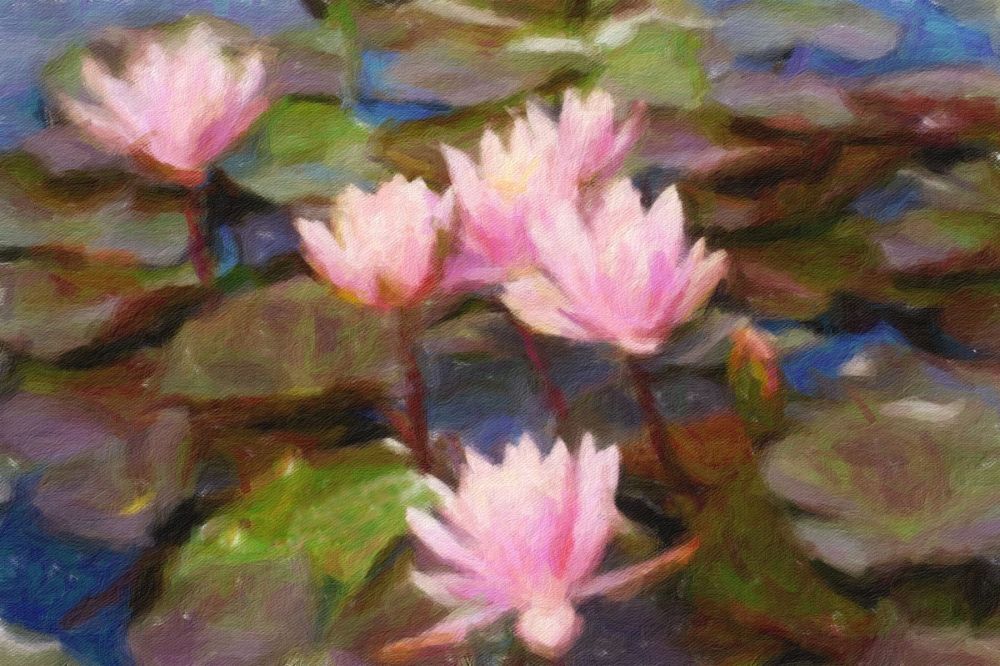
Water Lillies, Longwood Gardens, Kennett Square, PA
Using photography as therapy harnesses the power of images and visual creation to improve mental well-being, process complex emotions, and cultivate mindfulness.
When someone looks at a photograph, various regions of the brain related to emotion, memory and reflection become active, which is why looking at an image is not a passive act—it can be a direct gateway to our emotions, an opportunity to reinterpret lived experiences, or to observe patterns of thought or emotional responses, which contributes to our self-awareness.
According to Amparo Muñoz Morellà, a psychologist with the ANDANA Project,
“Photography can become both a refuge and a tool for self-care. It’s not about capturing ‘beautiful’ images, but about allowing yourself to see your surroundings—and yourself—with new eyes, at your own pace. When we’re going through anxiety or depression, the camera—even the one on a phone—can be an ally that invites us to pause, breathe, and simply look.”
Photography enables:
- Emotional Expression: Capturing images lets people externalize difficult feelings or trauma that are hard to put into words.
- Mindfulness and Grounding: Focusing on light, texture, and composition pulls attention away from abstract worries and grounds the mind in concrete reality.
- Reframing Perspectives: Reviewing and reflecting on self-portraits or positive surroundings helps rebuild self-esteem and change negative self-perceptions.
Photography can be self-initiated or structured photo-based activities—such as mindful walks or community projects—aimed at personal growth and well-being without formal psychotherapy.
One of its greatest strengths is that anyone can use photography as a means of expression and self-care. Photography is immediate and accessible. It’s not about mastering technique, but about expressing intentionally through images and exploring their inner resonance.
And smartphones have democratized access to this practice, allowing us to carry a camera with us at all times so that we can capture everyday, spontaneous moments and turn those images into a visual diary that reflects not only our experiences but also our inner world.
Mobile photography is not only accessible, but also approachable and versatile. It adapts to different contexts and individuals, becoming a powerful tool for self-knowledge, emotional expression, and personal transformation.
So, how do you get started? Here are several suggestions:
- The Senses Walk: Go outside for 20 minutes and photograph things representing touch, sound, or sight.
- Emotion Snapshot: Take a single picture that mirrors your exact mood or energy level today.
- Time and Pause: Photograph the changing sky as a visual metaphor for the passing of time.
Go out with your camera or smartphone – you’ll feel better afterward!
Photo by Sherryl Belinsky