
Quick Details
Photographer
$ 79
Robert Capa, the World War II Pulitzer Prize winning photographer who documented the D-Day landings, photographing a wounded soldier crawling his way up Omaha Beach while lying on his stomach with German machine gun bullets whizzing overhead, said it best: “If your pictures aren’t good enough you’re not close enough!”
One of the big differences between amateur photographers and professional photographers is that amateur photographers tend to get too far away from those subjects, they get too much in the picture. Pictures that get in really close, right down to the essentials of the image, have much more impact.
For example, instead of this
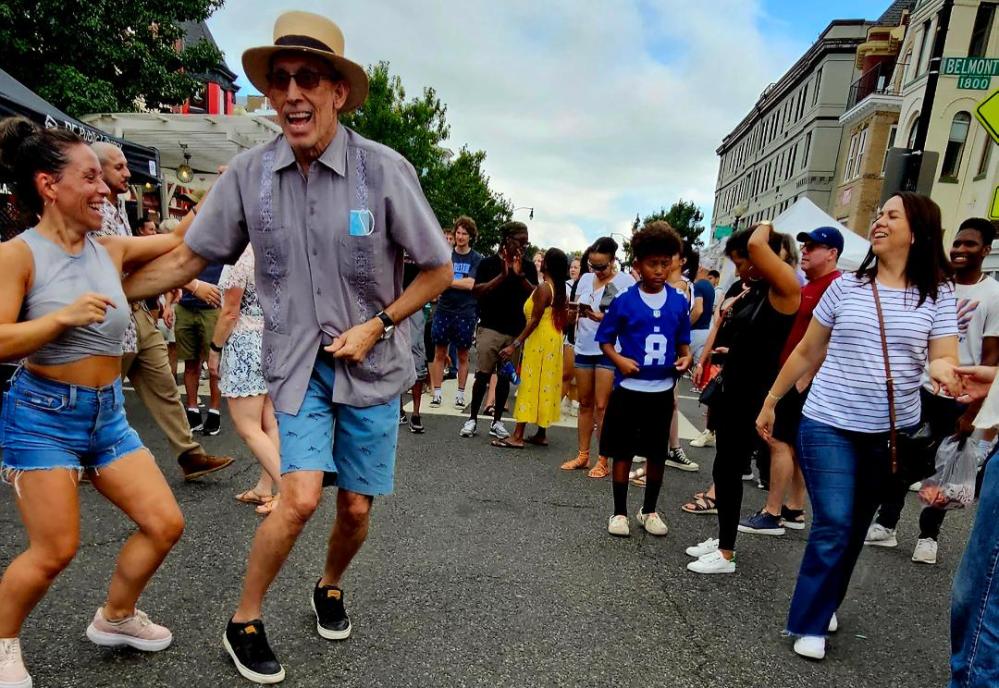
we try this:
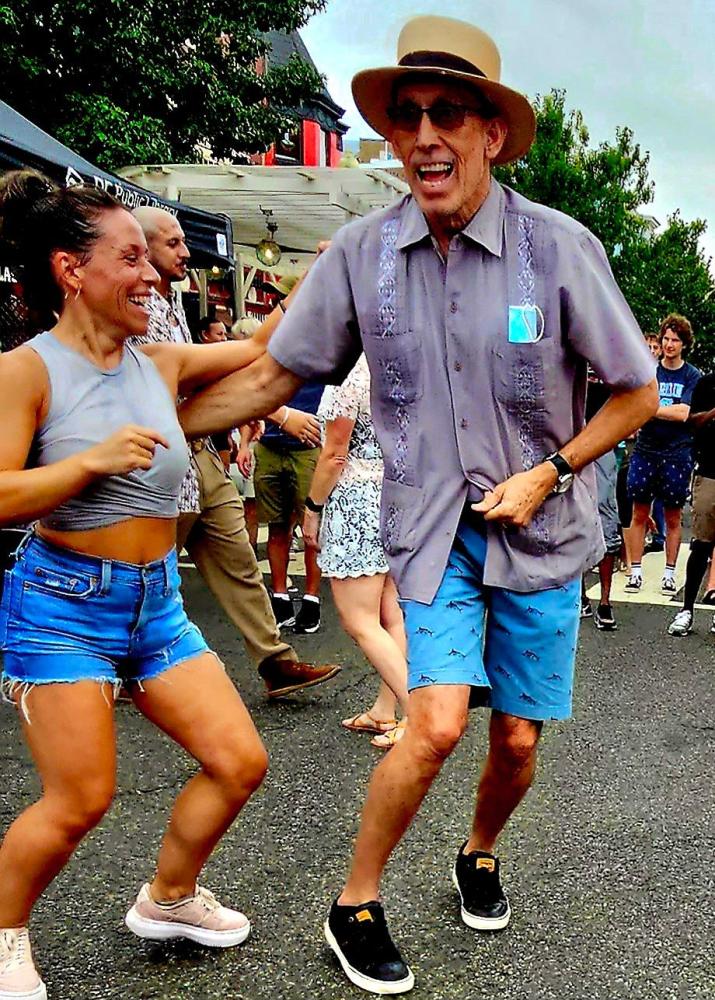
This concept comes to life every night for WPS founder E. David Luria as he puts his phone on its overnight charger. Just as he is about to go to sleep, the phone magically morphs into a beautiful slideshow of tightly cropped images selected randomly among the 5,000 images on his phone! The silent cropper inside his phone cuts out about 30% of each image, from top, bottom and sides, and zooms in really tight on the most important element of the image, the face with just head and shoulders or just the petals of the flower, the immediate area around the strawberry on top of the shortcake, the tight reflection of the Washington Monument in the Reflecting Pool. He sits on the edge of the bed, admiring his own work, and saying to himself “Wow! That’s really nice!” This is good for his endorphins, this helps him live longer!
So on this photo safari conducted on Zoom, we will have you bring up some of your favorite images on your camera or your phone, share them with the instructor and the other clients, and then Mr. Luria will have you take some off the sides some off the top, some off the bottom, eliminating all elements of the image that do not contribute to the impact of the picture. Perhaps too much sky in the landscape, too much water, or too much messy distracting background. Your fingers will do the walking on your camera or phone to get in tight and lop and crop each image until you can say to yourself “Hey! That’s a lot better!”
For example, in most people pictures, we see a full body of a person. We really don’t need to see a person’s clothing below the elbow or their shoulders, unless they are wearing a wedding dress or a uniform or a tuxedo! Let’s get in tight on the head and shoulders, that’s where the face and the facial expressions are that brings the subject much closer to the viewer of the image.
So come join us in getting in low and close on your images and see what a difference it makes!
-
- Computer & Video Camera
- Paper & writing utensils
- A collection of photos to edit
-
In front of your video camera and computer screen, from the comfort of your home.
-
Architectural photographer E. David Luria is founder and director of the Washington Photo Safari, which has provided over 6,700 photo safaris for 46,000 amateur photographers – an average of 5 people every day, 365 days a year, since it was founded in 1999.
“You taught me several important points and helped me better understand not only photography but also my own camera. I’ve taken photo classes at the Smithsonian, Glen Echo, and the Washington School of Photography. You’ve been the best among all the teachers I’ve had.“ David Lassiter, Olney, MD
Trained in Paris by a protégé of Henri Cartier-Bresson, Mr. Luria is a member of the American Society of Media Photographers and the Society of Photographic Educators and has had his images of DC appear in over 100 publications, calendars, and postcards and on 30 magazine covers.